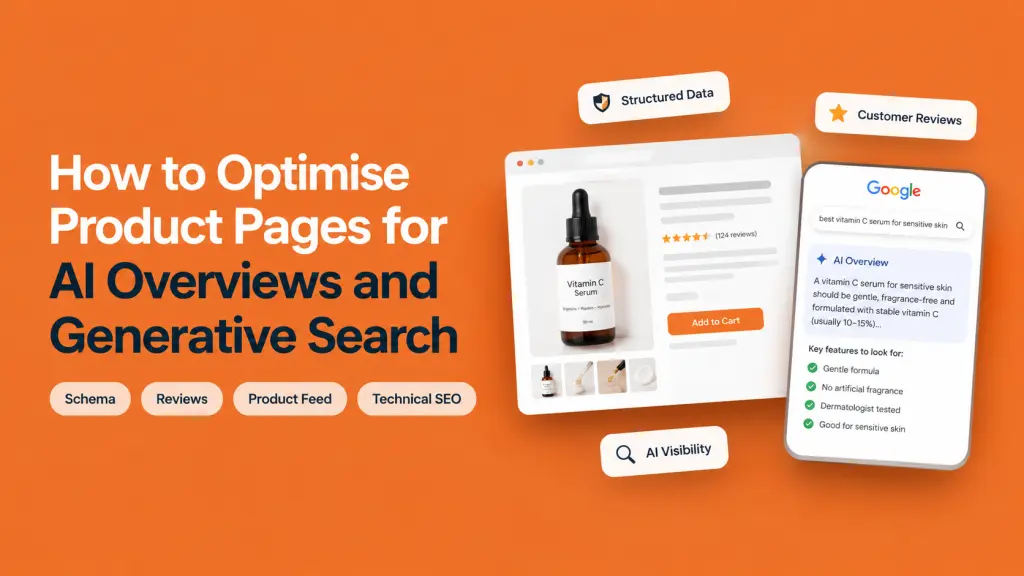

SEO
Structured Data for Ecommerce: Which Schema Types Actually Influence Visibility?
Learn which ecommerce schema types boost rich results, which to skip, and how to implement structured data safely to lift your store clicks.

Nestlé reported in a Google case study that pages appearing as rich results had an 82% higher click-through rate than pages without them. Most D2C stores still leave that advantage on the table.
Structured data for ecommerce is the code layer that tells Google exactly what your product is, what it costs, whether it is in stock, and what customers think of it. But not every schema type earns its place. Some drive real visibility, and others only add maintenance work.
This guide shows you which schema types deserve your dev hours, which ones to skip, and how to implement them without risking your rankings.
Why Structured Data for Ecommerce Still Matters
Search results are crowded. Stars, price, availability, and shipping details make your listing look more trustworthy before anyone clicks.
Google’s published case studies back this up. Rakuten found that users spent 1.5x more time on pages with structured data than on pages without it. Better-qualified clicks mean better conversion rates, not just more traffic.
Structured data also feeds Google’s free Merchant listings and Shopping surfaces. Even if you never run a single ad, clean product markup can put your catalog in front of buyers.
The Ecommerce Schema Types That Actually Move the Needle
1. Product and Offer Schema (Non-Negotiable)
This is the foundation. Product schema with a nested Offer unlocks product snippets and merchant listing eligibility.
Include these properties at a minimum:
- name, image, description, and brand
- sku and gtin (identifiers help Google match your product to its catalog)
- price, priceCurrency, and availability
Google’s documentation confirms that price and availability are the key fields for merchant listing experiences. Wrong or missing values are the top reason products lose eligibility.
2. AggregateRating and Review Schema
Star ratings are the most recognizable rich result in ecommerce. They lift click-through rates because they add instant social proof.
Mark up only reviews that are visible on the page and genuinely collected from customers. Google stopped showing stars for self-serving reviews on Organization and LocalBusiness markup back in 2019, so ratings belong on the product itself.
3. MerchantReturnPolicy and OfferShippingDetails
Google added support for return and shipping markup in 2024, and it is underused. Shoppers see delivery times and return terms directly in results.
For D2C brands competing with marketplaces, this is a quiet edge. If you offer free returns or fast shipping, make Google display it.
4. ProductGroup for Variants
Selling one shirt in six sizes and four colors? Google now supports ProductGroup markup to connect variants under a single parent product.
This helps prevent duplicate-looking listings and ensures the right variant shows in results. Fashion, beauty, and apparel brands should prioritize it.
5. BreadcrumbList
Breadcrumb markup replaces messy URLs with a clean category path in search results. It also reinforces your site architecture, which helps crawlers understand how collections and products relate.
6. Organization and WebSite Schema
These do not generate flashy rich results, but they support brand entity recognition: your logo, name, social profiles, and sitelinks search box eligibility. Think of them as your brand’s identity card for search engines and AI-driven answers.
Schema Types That Rarely Deliver
Not every markup type is worth the effort. Be selective.
- FAQPage: In August 2023, Google limited FAQ rich results to well-known government and health sites. Most stores will no longer see them.
- HowTo: Google removed HowTo rich results entirely.
- Self-serving review markup on your homepage: Ignored for rich results.
Google also keeps simplifying which structured data types appear in search, so audit your markup twice a year and retire anything unsupported. You can still keep valid FAQ content on the page for users. Just do not expect a rich result from it.
For more on where search is heading, explore our latest insights.
How to Implement Ecommerce Schema Without Breaking Things
Schema errors cost visibility. Google’s Search Console includes dedicated Merchant listings and Product snippets reports, and they flag invalid items fast. Use this workflow:
- Use JSON-LD. It is Google’s recommended format and easiest to maintain.
- Generate markup dynamically. Pull price and stock from your product database so it never drifts from what shoppers see.
- Match visible content exactly. Mismatched price or availability can trigger manual actions.
- Test before launch. Run templates through the Rich Results Test, then monitor Search Console weekly.
- Sync with Merchant Center. Consistent feed data and on-page markup reduce disapprovals.
Shopify, WooCommerce, and headless stacks all handle schema differently. Default themes often output incomplete Product data, so a custom audit usually pays off quickly. Our services cover technical SEO and web development built for exactly this.
Measuring the Impact
Track these metrics in Google Search Console:
- Click-through rate on product pages, before and after rollout
- Valid vs. invalid items in the Merchant listings report
- Impressions in the Search Appearance filter for product snippets
Give it four to eight weeks after deployment to see a meaningful trend. For examples of how data-led technical improvements translate into growth, see our evidence.
Frequently Asked Questions
What is structured data for ecommerce?
It is standardized code (usually JSON-LD using Schema.org vocabulary) added to your pages so search engines can understand product details like price, availability, and reviews, and display them as rich results.
Which schema types matter most for online stores?
Product, Offer, AggregateRating, Review, MerchantReturnPolicy, OfferShippingDetails, and BreadcrumbList deliver the most visible impact for ecommerce sites.
Does structured data improve rankings directly?
Google states structured data is not a direct ranking factor. It improves eligibility for rich results, which raises click-through rates and helps search engines interpret your content accurately.
Is JSON-LD better than Microdata?
Yes for most teams. Google recommends JSON-LD because it sits separately from your HTML, which makes it easier to implement, update, and debug.
How do I test my ecommerce schema?
Use Google’s Rich Results Test for individual pages and the Merchant listings and Product snippets reports in Search Console for site-wide monitoring.
Can wrong schema hurt my store?
Yes. Markup that does not match visible page content can lead to lost rich results or manual actions, so keep price, stock, and review data accurate and dynamic.
Turn Schema Into Revenue With Global Surat
Structured data is one of the few SEO levers where precision matters more than volume. The right five schema types, implemented cleanly, will outperform a dozen messy ones.
At Global Surat, we help D2C brands across India, the US, UK, Canada, Australia, and Europe turn technical SEO into measurable growth. Book a strategy consultation today, and let’s audit your product schema, fix what is holding back your visibility, and build a plan that scales.
Make this useful